If most adults yearn for the energy and vitality of their youth, there is a biological explanation for its loss: the mitochondria within our cells — responsible for converting into usable cellular energy the food we eat and the oxygen we breathe — decline in both number and efficiency with age.
"The energy that these cellular powerhouses produce is ATP or adenosine triphosphate," explains Rachel Diamant, co-founder and CEO of Cellergy Therapeutics. "The average person uses up their own body weight in ATP every day, with a marathon runner burning dozens of kilograms of ATP each hour. ATP powers essential functions such as muscle contraction, DNA repair, waste removal and protein synthesis. Without it, cells simply shut down like a house going dark in a power outage."

Mitochondria, however, are extremely fragile and degrade over time, resulting in reduced energy production and buildup of harmful free radicals. This is a key factor in aging, and is linked with many associated symptoms such as muscle loss, chronic fatigue, skin deterioration and degenerative diseases like Parkinson's, Alzheimer's and ALS.
Mitochondrial damage is not always age-related. Diamant notes that environmental stressors — chemotherapy, psychiatric medications, antivirals and antibiotics — can also injure the mitochondria. "Cumulative harm may eventually manifest as degenerative disease, often accompanied by extreme fatigue," she says.
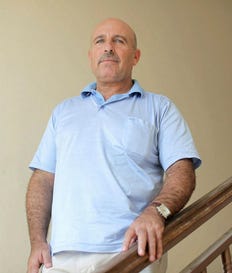
Mitochondrial damage can also be genetic, notes Dr. Ganit Yarden, Cellergy's COO and Head of R&D. "Children are born with genetic defects in their mitochondrial DNA, mutations which result in mallfunctioning mitochondria and severe symptoms, such as epilepsy, cognitive decline, sensory loss, muscle atrophy, and even multi-system failure. Most of the affected children don't survive childhood."
Cellergy's first therapeutic application is for these children with congenital mitochondrial disorders, with broader applications planned for the future.

Powering the Body with Healthy Mitochondria
Cellergy's breakthrough therapy infuses the bloodstream with young and healthy mitochondria to restore cellular energy and promote healing. The mitochondria, once in the bloodstream, are taken up spontaniously by cells and tissues, they integrate in the existing mitochondria population, and were shown to restore cellular ATP production.
"The main barrier to doing this has been the scale of production," explains Rachel Diamant. "Research has long shown that mitochondria can be highly effective if delivered in large enough quantities, but no one knew how to produce and extract these quantities. Clinical testing was limited to small quantities in local injections. In a study in Boston Children's Hospital, for example, mitochondrial injections improved heart function in localized areas, but the doses were minuscule compared with what's needed for full-body treatment."

Cellergy has removed this obstacle of scale by identifying unique human cells capable of producing robust, high-functioning mitochondria. "With our proprietary method, we can grow and harvest them in large volume, with rigorous quality control ensuring that they're safe and effective," says Dr. Yarden.
Challenging the Limits of Modern Medicine
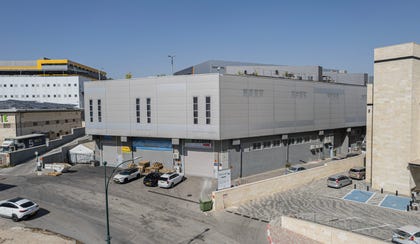
Cellergy was founded in 2022 by Rachel Diamant and biotech entrepreneurs Dr. David Baram and Dr. Todd Wider. Rachel came to her entraprenurial career with a strong background in IP strategy from heading the IP at the Sheba Medical Center's commercialization unit. Rachel and David were the co-founders of Emendo Biotherapeutics, that has reached an impressive M&A on 2020. Dr. Yarden, a PhD in biochemistry from the Weizmann Institute of Science, brought her experience as a former Teva R&D leader. Cellergy's research labs are located in Yavne, 20 kilometers south of Tel Aviv. Initially self-funded and supported by private investors, Cellergy recently secured $1.5 million from the Israel Innovation Authority, and is now raising a seed round.
Why Start with Children?
"These are heartbreaking illnesses with no cure, and only limited symptomatic relief," says Rachel Diamant. "Because of their severity, new treatments can be offered to patients under the framework of a compassionate use study, under an expedited clinical review process . We believe that mitochondrial therapy could significantly improve, or even reverse, symptoms. We aim to begin clinical trials within a year at the Schneider Children's Medical Center under pediatric geneticist Dr. Naama Orenstein."
"We're talking about children who face progressive, systemic deterioration," adds Dr. Orenstein. "Existing treatments offer limited relief. We're hopeful that large-scale mitochondrial transplantation may be the breakthrough that these youngsters desperately need."

Promising Lab Results
In preclinical trials, results have been dramatic, says Dr. Yarden. Mice with fatty liver disease recovered completely after mitochondrial infusion. Those injected with damaged mitochondria showed no improvement, underscoring the importance of mitochondrial quality. The team used fluorescent dyes to track the injected mitochondria through the body and into tissues. "Seeing them getting to different tissues of the body, even the brain, taken up by cells and integrate was incredibly exciting," says Dr. Yarden.
Next Steps: Clinical Trials and a New Frontier
Cellergy is now scaling up production to meet clinical production standards. "Our first trial in children is expected within the year," says RachelDiamant. "If this therapy works as well as we anticipate, the results will be nothing short of miraculous, and it will have a wide range of potential applications in adults, includingfor the treatment of degenerative diseases and for longevity. Mitochondrial health is a key biological aging clock, which is why our technology is attracting serious interest in the longevity field."
Dr. Nir Barzilai, a prominent aging researcher from the Albert Einstein College of Medicine in New York, chairs Cellergy's scientific advisory board. "Mitochondrial transplantation could be a game-changer," he says. "Cellergy potentially has the biotechnological tools for combating aging and age-related diseases. They are leading a revolution in regenerative medicine."
In collaboration with Cellergy Therapeutics