According to the American Health Organization, anxiety disorder is the most common global mental disorder. More than 300 million people worldwide suffer from anxiety, of which 40 million are in the United States alone. However, only a third of those who suffer receive appropriate treatment or professional help. The significant gap between the scope of the phenomenon and the ability to receive treatment highlights the urgent need for new and accessible solutions.
When it comes to anxiety or anxiety attacks, one of the most significant challenges is the symptoms that may lead to disruption in daily functioning. According to the World Health Organization (WHO), these symptoms include difficulty in concentrating or making decisions; nervousness and restlessness; nausea; increased heart rate; sweating; tremors; sleep problems, as well as depression, addictions, and suicidal behavior and thoughts.

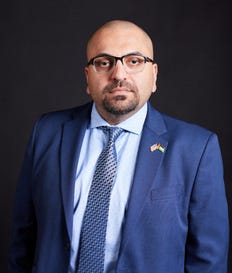
An innovative solution that can provide an efficient response in coming years is Neuro-joy — an innovative, non-invasive device for treating chronic anxiety disorders and associated symptoms such as stress and insomnia. "The device can help anyone who suffers and wouldn't normally seek professional help for various reasons: some people are afraid to seek help, medication doesn't work for them or because emotional therapy is expensive and unavailable. Sometimes it's just temporary anxiety", explains psychologist Nabila Farah, Neuro-Joy CEO, founder and owner. Nabila, who founded the company in 2022, holds a BA and MA in clinical educational psychology from the University of Haifa. She is a counselor specializing in post-trauma, suicide, and children at risk, and a lecturer in various educational institutions.
How did you come up with the idea that a smile, which usually expresses emotions and not the other way around, will affect the mental state?
"As part of my role as a psychologist and a supervisor of educational and professional teams, I understood the impact of a person with anxiety on the lives of those around them. In addition, I was exposed to research that shows how a smile, even if it is artificial, can affect our mood. I looked for ways and technologies to create a smile and then discovered that this could be done through electrical facial muscle stimulation, thus affecting anxiety symptoms. After three years of research, I founded a startup to develop a neurostimulation device to stimulate a smile. I was fortunate to receive a grant from the Innovation Authority, and from there the startup took off."

What is the current project status?
"We just finished a pilot that included two successful clinical trials in Israel, one relates to anxiety that also included a control group and the other relates to sleep disorders, and we created a prototype based on patented protocols. Now we are one step away from launching a large clinical trial that will take place in the United States, Europe and Israel, after which we will submit an application for FDA approval. Throughout the entire process, I have surrounded myself with leading professionals: from psychologists, neurotechnologists and development professionals to CEOs and medical center managers, in order to create a professional environment that will provide the best and most comprehensive solution that brings together psychology, neurology and technology".

"After receiving two Innovation Authority grants, we are looking for new investors. I assume that in about three years we will be ready to launch sales in the U.S. and later on in Europe. Once we raise new funds, time to market will be shorter. With the experience we gain and based on the device we are developing, we will also provide a solution for those suffering from depression and symptoms related to Alzheimer's."
Can you reveal some details about the technology behind the device?
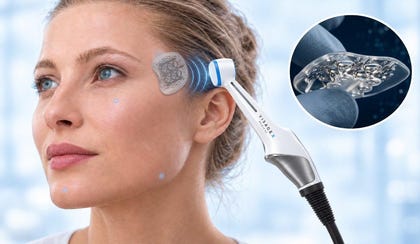
"This is an innovative, non-invasive device for treating mood disorders such as anxiety, chronic stress and their associated symptoms, with a special emphasis on insomnia. Our technology is based on studies indicating that facial muscles' movement that is responsible for smiling may affect mood, while influencing neural circuits in the brain. In practice, the device is equipped with electrodes that are set on the cheeks. When the device is activated, targeted activation of the smile muscles occurs, which leads to effective and precise stimulation of the targeted muscles without any side effects or pain caused by the stimulation. As a result, neural networks and circuits that connect the facial muscles to various areas of the brain are activated, which contributes to mood regulation and to reduced physical anxiety symptoms."
So is smiling the key to everything?
"In some way, yes. When a person is experiencing an anxiety attack and their whole body is mobilized, as in "Fight or Flight", they need an immediate response that will prevent the symptoms, which often cause a terrible physical and mental feeling, sometimes similar to the symptoms of a heart attack. When we stimulate the smile muscles, we make the patient smile proactively. We are actually influencing facial expressions. This is how a message is transmitted to the brain that the emergency is over and the symptoms start to calm down. The trials we conducted show that activating the device three to five times a week, 20 minutes a day and preferably before bed, can calm the body and mind. This portable and available device can change the lives of those suffering from anxiety, by using unique technology. There are similar devices based on different technologies, and yet, it is a research-proven, professional, for home use, high-quality, available and non-invasive device that anyone can operate, and it shows excellent results."
Regaining control over life
Nabila mentions a significant moment in her social life, when she felt she was on the right track. It was at the end of the first clinical trial, when patients felt a change and their anxiety levels were reduced, as well as the intensity of their symptoms. "These were patients with anxiety disorders, who after regular use of the device felt that they were no longer helpless," she recalls, explaining that this gave her a lot of motivation to continue. "I saw how these patients gained control over their lives, how they became less nervous, slept better and coped well with the shame and guilt that anxiety brings " she relates to the difficult symptoms and the moment when she realized that she had a real, available, and professional solution.
Nabila sums up her vision with hopeful words: "These days, when many are dealing with widespread trauma and anxiety, the need for innovative solutions like Neuro-Joy is growing. We are determined to continue moving forward, to enable everyone who suffers from anxiety to find relief in an accessible, respectful, and effective way."
Neuro-Joy
Year established: 2022.
Founders: Nabila Magzal Farah.
Field of activity: Mental health.
Guiding motto: "Once there are good results, it motivates me to continue further on."
In collaboration with Neuro-Joy