Cancer is the leading cause of death in Israel for both men and women, and one of the leading causes of death in the Western world. In light of this tragic fact, cancer research is considered particularly active, and in recent years it is focused on targeted therapies — treatments that aim to more effectively attack cancer cells while reducing general systemic damage, as occurs with broad-spectrum chemotherapy treatments that harm other body organs.
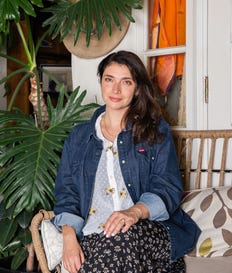
NanoGhost, an Israeli biotech company, introduces one of the most exciting and promising technologies of recent years in this field.[OB1] NanoGhost develops a highly selective first-in-class drug targeting platform (NanoGhosts/NGs) from the cell membrane of mesenchymal stem cells (MSCs), cells with known tropism to cancer and sites of inflammation. NGs are equipped with the MSCs inherent ability to target cancer, can be loaded with a variety of drugs such as small molecules, proteins, mRNA or other nucleic acids. The entrepreneur who conceived this revolutionary technology is Prof. Marcelle Machluf, the outgoing dean of the Faculty of Biotechnology and Food Engineering at the Technion and a leading researcher in the fields of drug delivery, gene therapy and tissue engineering. NanoGhost harnesses the natural tropism of MSCs to cancer in a drug targeting platform.

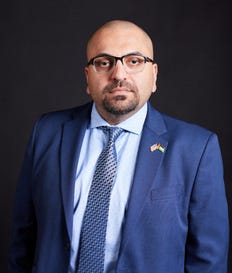
"We use stem cells that have a natural ability to reach cancer cells," says Yonatan Malca, NanoGhost CEO and a founding partner alongside Prof. Machluf. "We empty the stem cells of their contents and leave only the cell membranes from which, we produce the nanoparticles named NanoGhosts. Since NGs are produced from the mesenchymal stem cell membrane, that has the natural ability to reach cancer cells, this ability to reach the cancerous tumor is preserved in NGs. We load NGs with anti-cancer drugs and then inject them into the blood. Through the bloodstream, the NGs loaded with the anti-cancer drug, make their way to the tumor cells that receive them without realizing that they are actually a 'Trojan horse'. Upon reaching the tumor cells, they unload the drugs that are supposed to destroy the cancer cells in a targeted and effective manner. Using NGs loaded with chemotherapy allows a significant increase in the effectiveness of the drug while at the same time a significanty reduction in the damage that the drug causes to healthy body organs."

The Founder Who Lit a Torch
NanoGhost was founded in late 2019 by Prof. Machluf and Yonatan Malca, who has an extensive experience in capital markets and company management. Over the years, the company has raised funds from Israeli and American investor groups and received four grants from the Israel Innovation Authority at the Ministry of Science. Recently, the Peres Center for Innovation chose to present NanoGhost's technology as part of its yearly exhibition that displays the most promising high-tech and biotech Israeli innovations.
In fact, the story of Prof. Machluf, who was chosen to light a torch at the 70th anniversary of the State of Israel, is no less inspiring than the story of the company's development. She was born in Morocco and in 1964, when she was only one year old, her mother decided to leave Morocco and immigrate to Israel with her mother (Marcelle's grandmother). The small female family settled in a tiny apartment in Ashdod, where the mother and daughter shared a room and the grandmother slept in the dining room.
As a single mother, Marcelle's mother was the sole breadwinner and worked for long hours in several jobs, including sewing and cleaning, so that the family could financially survive. When Marcelle was 12 years old, her mother was injured as she broke her back vertebrae. From that day on, she could no longer work as hard as she used to, so Marcelle had to help her in her cleaning job. This was the case throughout Marcelle's high school years. The change came in the mid-1970s, when Marcelle was one of a group of students who were integrated into a pioneering integration program and thus found herself in a school where children from well-off homes studied, a place where she could demonstrate her abilities and talents. Her great achievements reached their peak when she was accepted as a senior lecturer at the Technion, while advancing to associate professor and other senior positions. She was recently elected to serve as a member of the Council for Higher Education (CHE), an appointment that was recognized by all parties as highly professional.
Penetrating the blood-brain barrier
"Currently, NanoGhost's technology is at the preclinical phase (animal trials). Our expectation is that in about two years, the company will initiate the human clinical trials phase, which will be held both in Israel and overseas," says Malca.
What types of cancer can your technology be used for?
"The platform is very broad and can be used for all types of cancer. However, we are currently focusing on two specific drugs: SN38, which is a type of cancer chemotherapy that we turn into a target[OB2] ed therapy; and mRNA (genetic code for protein production) which is better known thanks to the Covid-19 vaccines that were based on it. In the large pharmaceutical companies that develop mRNA based therapies, there is a great need for an effective and non-toxic particle that will target mRNA molecules to cancer and turn them into an effective therapeutic solution.
"Our NGs have another very unique feature, and that is their ability to penetrate the blood-brain barrier. This is a protection that the blood vessels in the brain have, which blocks the entry of many drugs into the brain, and our NGs manage to pass this barrier. This means that NGs will be available, among other things, for brain cancer treatments, which is considered one of the most difficult types of cancer to treat due to the lack of drug response, so this is a groundbreaking technology. As of today, we have chosen a path of treating difficult-to-treat diseases such as brain cancer and tumors that at a certain stage send metastases to the brain that cannot be treated. We strongly believe in NGs and their ability to bring about effective treatments and higher cure rates for cancer patients in Israel and around the world."
NanoGhost
Year of establishment: 2019
Founders: Prof. Marcelle Machluf and Yonatan Malca.
Field of activity: Targeted therapies for cancer.
Leading motto: "NanoGhosts target any type of drug to any type of cancer".
In Association with NanoGhost