As of 2024, Israel's senior population numbers more than 1.28 million people, representing approximately 12% of the total population. These figures reflect an ongoing exponential growth trend, underscoring the vital role this demographic plays in the resilience and social fabric of the State of Israel.
In an effort to regulate and improve the systems serving older adults, Kedem – an Association for Promoting Senior Housing Communities in Israel – operates with a clear mission: to enhance service standards and living conditions for residents of assisted living facilities and geriatric nursing institutions across the country.
Kedem is a registered non-profit organization that has served Israel's elderly population for nearly four decades. It represents more than 220 senior housing communities nationwide, including nursing homes, assisted living facilities, and geriatric care institutions.
Among its activities, the association addresses a wide range of regulatory and systemic issues, and it claims that bureaucracy and insufficient government budget allocations are undermining the quality of care and medical services provided to chronically ill nursing residents, individuals with cognitive impairment, and others with complex needs.
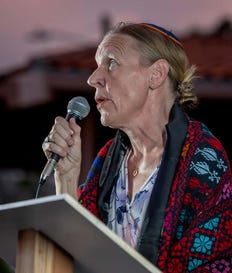
"The funding provided by the Ministry of Health does not, in practice, cover all the relevant expenses required for elderly care," says Yoli Gat, chair of Kedem. "This results in an inability to finance not only ongoing medical treatments but also quality-of-life services such as proper nutrition, leisure activities, and respite outings — services that are essential for maintaining functional ability and overall health".
Gat further explains: "We have been engaged in a long-standing struggle on behalf of chronically ill nursing patients and individuals with cognitive impairment — those who are not physically dependent but are cognitively unaware of their condition. We are in continuous negotiations with the Ministry to increase the funding provided to institutions caring for these residents so that it reflects the real cost of care".
Extensive Professional Experience
Yoli Gat is a gerontologist with decades of experience in the field of aging. She previously served for 17 years as CEO of the "Beit BaKfar" assisted living network, and later as CEO of the "Beit Balev" network, part of the Maccabi Healthcare Group. She also led the establishment of a nursing department in nursing homes in the Sharon region. In addition, she has served for over a decade as a board member of the Israeli Gerontology Association.
When asked what she believes is the appropriate solution for seniors in such circumstances, Gat responds: "It is time for the State of Israel to establish a dedicated government ministry whose sole responsibility is to oversee all matters related to aging. It is inconceivable that so many elderly individuals must endure a bureaucratic ordeal, moving between different government ministries simply because their health or functional status has changed. Someone must create order and accountability for this population".
Israel in Comparison to Western Countries
Regarding Israel's position relative to Western nations in the field of long-term care, Gat offers a nuanced perspective: "In many chronic care institutions across the Western world, there are no strict limitations on the number of residents in a chronic care department. In Israel, by contrast, everything is regulated — almost as in a hospital setting".
"Despite this," she adds, "I believe Israel is lagging behind Western countries, and it is time to reassess. The elderly population is growing rapidly, yet there remains a significant shortage of long-term care facilities and specialized frameworks for individuals with cognitive impairment".
Gat concludes: "At Kedem, we believe that quality of life is no less important than the quality of medical treatment. We have a duty to place greater emphasis on care standards and to ensure optimal living conditions for seniors—so that they can maintain their health, function independently for as long as possible, and live full, meaningful lives".
Partnered with Kedem