Like a contemporary sculpture, blending fluidity and softness with clean, sophisticated lines, the SEA ONE residential resort rises directly from the sand, just steps from the sea. Comprising two luxurious towers, its sleek, modern architecture harmonizes with the surrounding natural landscape, with facades clad in natural materials to echo the gentle lapping of the waves. Designed by the renowned architectural firm Yaski Mor Sivan, SEA ONE respects both the coastline and its environment. Its graceful curves create a sense of movement, as if shaped by a soft coastal breeze, giving the resort a uniquely dynamic form.

Residents immerse themselves in the resort's architectural serenity, where the sea experience is immediate and unobstructed. From the atrium elevator on the ground floor, a few steps lead directly to the coastal promenade - bringing the ocean within arm's reach. Reach out, and touch the water.
"The feeling is as if the coastline belongs solely to you, free from cars or service roads; your own private sea day in and day out," says architect Eran Binderman, responsible for the resort's interior design. "Maximizing natural light throughout was essential, as that nurtures our well-being almost as profoundly as the proximity to the sea."
A soaring glass cube, bathed in natural light, marks the entrance to the complex, which houses some 250 apartments. The resort's two buildings rise above two transparent, double-height public floors, welcoming the sun's rays into communal spaces - catching the morning light from the east and the golden hues of sunset from the west.
"The entrance atrium serves as a beacon of light throughout the project, guiding visitors through the levels of public spaces. It holds the reception area, warm and inviting, clad in bamboo and illuminated by natural light, with reflecting pools that evoke the sea and the serenity guests will soon experience,"Binderman explains. "The sea is a glance away from reach, while surrounding vegetation embraces the space. Natural materials and textures envelop guests, creating a profound sense of calm and harmony."
Seamless Flow and Thoughtful Design
From a functional standpoint, the planners prioritized a seamless sense of flow and effortless movement throughout the resort. Each building is served by 3-4 resident elevators, complemented by a transparent elevator connecting all public facilities. This thoughtful design ensures quick and easy access from the apartments to both entrances: a formal main entrance featuring a bright, magnificent atrium, and a private entrance granting residents direct access from the sea.
Meticulous attention to detail starts from the guest drop-off area, which features a private parking zone directly at the entrance with a dedicated drop-off and pick-up lane for private cars, taxi service, and access to two levels of underground parking.
The experience of the public spaces extends into the elevators themselves, where glass panels in delicate shades of blue gradually transition from light to deep tones, creating a subtle, immersive journey for residents.
Bathed in natural light, the extra-wide corridors guide residents to their apartments, featuring luminous cubes adorned with botanical prints that evoke a private, enclosed patio. The repeating shades and textures create a harmonious rhythm throughout. Doorways are subtly recessed, preserving a sense of home and privacy. Each entrance possesses its own distinctive character, with an elegant facade, clear numbering, and soft, inviting lighting.

Interior Design Inspired by the Outdoors
Over seven years, Binderman painstakingly developed a precise program for the interior design, carefully selecting materials, textures, and colors to craft the feeling of home and gently envelop every sense.
The sea, the most commanding element, does not compete with the architecture but quietly permeates public spaces and apartments with a subtle yet powerful presence. The architecture itself is inspired by the waves, drawing the materiality of the sea inward through sand and shell tones, a spectrum of blue and turquoise reminiscent of sea and sky, and the lush greens of lagoons - layered with depth and shifting transparencies.
While one floor exudes calmness and a Zen-like ambiance, the second celebrates a rich tapestry of colors and textures, curated through a cross-continental search for select furnishings. Natural oak wood and shades of sand, sea, and sky are featured throughout, extending seamlessly into the residential apartments. The color palette is tailored to each function; natural light fills every space through two patios which act as light chimneys that connect the public areas vertically. From the Zen-inspired spa and indoor pool, residents can step out onto a patio and continue to enjoy the serenity and softly filtered natural light over a drink from the bar.
The rooftop bar and pool offer sweeping sea views, surrounded by lush greenery where vegetation and nature thrive. In the lobby, soft fabrics and gentle tones create a welcoming, tactile warmth. The business center showcases natural wood, with transparent, light-filled welcoming spaces, while libraries featuring integrated artistic elements create intimate nooks, allowing residents to enjoy privacy and focus.
Design for Social Connections, Comfort, and Harmony
Shira Oren-Nahmias, Deputy CEO of the Oranim Group and visionary behind the SEA ONE resort, emphasizes the holistic nature of the project, where every element merges to create harmony. "We embraced a concept without abrupt contrasts or rigid boundaries - favoring instead a continuous flow of shades and softness, guided by attentive listening and open dialogue. It's like crafting the perfect dish, balancing a variety of flavors. From the moment you enter, your senses awaken and your heart expands with a 'wow' and a profound sense of ease. Every space radiates the essence of the resort: from the serenity of the pool, reminiscent of a Zen Garden, to dining in front of an open sea view that fills both eyes and soul."
Oren-Nahmias emphasizes that a core goal of the design was to foster meaningful connections. "There is a desire for social interaction and a vibrant community, but never at the expense of personal choice. It's an open invitation within a framework that allows each resident to shape their own lifestyle. Everyone can choose their role, whether as an active participant or a quiet observer." To this end the interior design was guided by maximum flexibility, enabling spaces and rooms to connect or separate depending on the group or activity. A room might serve for morning meditation and transform into a family dining area at night.
Binderman concurs that the public areas are designed to encourage social interaction, starting with the expansive lobby, thoughtfully divided into distinct zones. "Each zone has its own character and narrative, creating a journey through diverse textures and colors. Transitions between spaces subtly reveal - or conceal - what is happening, while wooden libraries segment the areas, offering a balance of privacy and semi-privacy."

To foster this sense of ease and fluidity, the architect maintained a human scale, ensuring short distances between the building's various functions and minimizing walking time from place to place. Each floor possesses its own distinct character: one focused on body and mind, featuring a spa, pool, gyms, treatment rooms, and Pilates; the other dedicated to culture and mindfulness, offering curated social experiences and enriching activities beyond sports.
"The difference is also reflected in the residents' attire, which changes from floor to floor," Binderman notes. "In sports areas, you are more relaxed and can walk around in sportswear or a robe. In contrast, in the lobby, lecture areas, or business center, the atmosphere invites you to be a little more formal. You feel that this is a situation you dress for - a place that respects you, and you return the favor in kind."
He explains that every detail in the building was conceived to evoke a sense of home and warmth - a space that envelops residents, fostering calm, safety, and ease. "The range of materials and colors, along with their precise proportions, creates a spectrum that differentiates one area from another. Great care went into adapting the design to the function of each space, whether through specialized acoustics, furniture tailored to the activity, or carefully calibrated lighting. Connections between the various areas were crafted with an emphasis on harmony and tranquility, utilizing natural light, open sightlines from one space to another, and a palette of light sand-colored materials."
Hosting or working? Apartments Adapted for Diverse Needs
A variety of apartments are available - small, medium, and extra-large - ranging from 50 to 130 square meters. Each offers a panoramic sea view, an oversized safe room with a double-height window at 1.4 meters that frames the water outside. Efficient planning ensures a sense of spaciousness, amplified by breathtaking vistas. Transparent, curved glass railings further strengthen the connection with the outdoors, allowing residents to fully immerse themselves in the coastal landscape.

During a tour of the spacious corridors connecting the different apartment types, Oren-Nahmias explains that before planning began, a thorough market segmentation was conducted. This process aimed to create a diverse range of apartments tailored to the varying needs and preferences of the residents.
"Israelis love to host, which is why most apartments feature an extra-large living room," Oren-Nahmias notes. "We also found a strong demand for apartments with two separate suites, each with its own bathroom. Additionally, the desire for a study or small guest room was clear, and this has been integrated into the majority of apartments to meet residents' needs.
"Of course, there are also especially luxurious options for those seeking penthouses of 100 square meters and more, with expansive balconies and direct sea views. We also found strong demand for garden apartments - located on the front line facing the sea and pool - designed for those unwilling to give up their private garden while still enjoying life on the waterfront. Truly living a dream."
Three Types of Culinary Spaces
Although the space is shared, the culinary areas were divided into three zones: a brasserie with table service and a fresh, self-service bar; a Grab&Go seating area; and a relaxed high tea style area with armchairs for afternoon snacks and tea/coffee.
An inviting outdoor terrace offers shaded seating with outdoor furniture suitable for all types of culinary spaces: a brasserie seating area, a relaxed Grab&Go seating area with a bar for sunset drinks. The vast blue space outside is also present in the auditorium, which is divided into seating areas with round tables that encourage conversation and provide a great view.
An inviting outdoor terrace awaits, dressed in stylish shade and plush seating - a canvas for every culinary mood. Guests drift between the chic brasserie tables, unwind in the breezy Grab&Go zone, or toast to the horizon at the sunset bar. Beyond the terrace, the expanse of blue doesn't just frame the view - it infuses the auditorium, where clusters of round tables foster lively conversation and offer every seat a front-row pass to the scenery.

Living on the Water's Edge Boosts Mental Health
Prof. Dafna Fischer Gewirtzman of the Technion's Faculty of Architecture and Urban Planning has found that residential complexes along the coastline can reduce mental stress while enhancing calm and psychological well-being
Limor Kohler
During her visits to various cities in Finland, Denmark, Sweden, England, Spain, and Italy, Prof. Dafna Fischer Gewirtzman, from the Faculty of Architecture and Urban Planning at the Technion, examined residential complexes along the waterfront. As part of a UNESCO scholarship for post-doctoral young female researchers, she focused on maximizing the exposure of residential complexes to a sea view - from the development of the area, through the layout of the construction to ensure that it would not obstruct the built fabric behind it and would expose the residential units to the sea as much as possible, and up to increasing the surface area of each unit to achieve maximum exposure to the view.
At the same time, she is developing analytical models for studying urban environments and predicting their effects on human perception and well-being. Her approach is based on the finding that widely integrated green spaces or sea views are perceived as more calming and positive, and are therefore likely to contribute to human health. "In a large number of experiments we conducted over the years in the lab, we saw that when a certain environment receives positive evaluations, it is rated as less crowded, more spacious, more illuminated, instilling a feeling of calm and more secure," she says. "Subjects responded that they would be happy to be in such an environment again, and to the question 'Would you consider living there?' we usually received a high agreement rating."
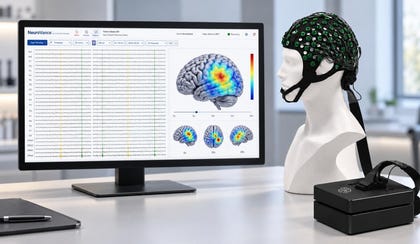
In research she conducted at New York University, Gewirtzman found a clear correlation between perceived density and mental stress index. "When an environment, such as an apartment or urban space, was perceived as very crowded, brain indices also reflected high stress levels - and vice versa. This means that ample exposure to natural scenery, including street trees and urban gardens, can significantly reduce stress levels." Other studies have examined the effect of natural, green, or blue views on recovery in hospitals and found that stress decreases when patients stay in rooms with a natural outlook.
According to Gewirtzman, two cases in Copenhagen and Helsinki demonstrate that Scandinavia has already embraced the concept of living with a water view.
In Copenhagen, part of a former industrial port was transformed into a residential complex that combines accessibility for pedestrians and vehicles with a connection to water traffic routes. Another complex, a completely new development, applied the principle of expanding the surface area of building facades facing the water, both physically and visually. Winding canals followed the residential areas, increasing the number of apartments with direct water views.
In Helsinki, Finland, known for its strong social policies, residential complexes were designed to integrate private apartment owners with affordable housing renters. In all cases, residents enjoyed the sea view equally, regardless of economic status.
What is particularly striking is the significant effect even in dense urban environments when windows are larger and offer a broader view. "In minimal residential units in Hong Kong, it was found that the larger the window and the more it opened to the view, the less crowded the space felt to residents, even though all apartments were identical in area and volume. Brain indices indicated much lower stress levels, leading to the conclusion that greater openness reduces stress. From this, it can be inferred that a positive impact on health is created."
Prof. Gewirtzman's research revealed a significant connection between openness to natural scenery - whether a green view or a sea view - and a decrease in perceived density, accompanied by an increased sense of calm and mental well-being. These findings highlight the positive impact of such features on residents' health.
In collaboration with Oranim Group